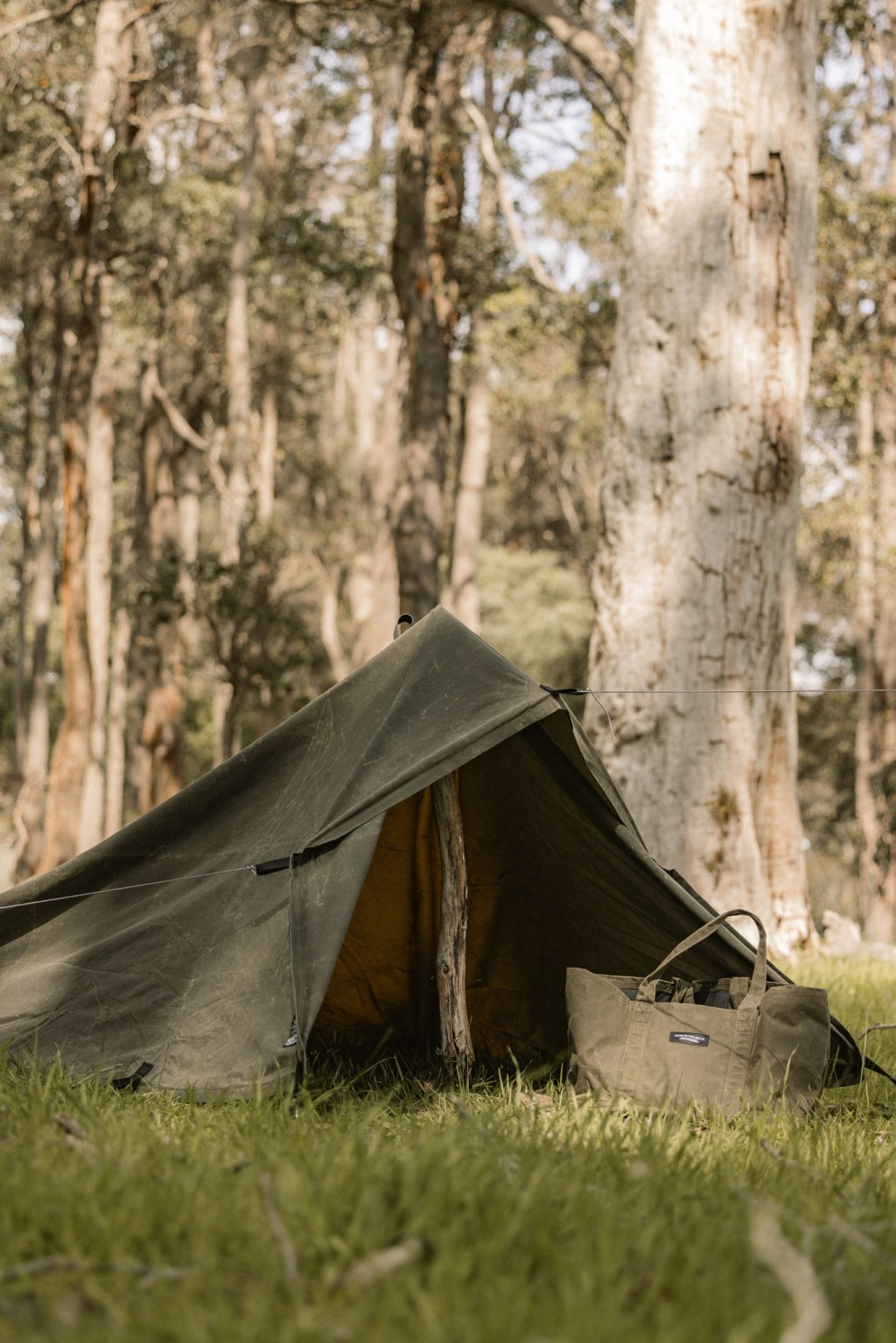
Bushcraft in Australia isn’t just about lighting fires and building shelters—it’s woven into the very fabric of our land. Long before it became a skillset or survivalist buzzword, Indigenous Australians had mastered bushcraft over 60,000 years, thriving in some of the harshest conditions on earth.
From the First Nations peoples who perfected fire-stick farming and natural navigation, to the pioneers and drovers who carved a life out of the bush, to modern legends like Les Hiddins (The Bush Tucker Man)—bushcraft in Australia has a deep, rugged history that deserves to be told.
So let’s grab a billy, stoke the fire, and dive into the real history of bushcraft in Australia—the skills, the people, and how it’s evolved into what we know today.
The First Bushcrafters: Indigenous Australians
If you want to talk about true bushcraft, look no further than Indigenous Australians. Their connection to the land spans tens of thousands of years, passing down fire-making, foraging, tracking, and navigation techniques through generations.
Fire Stick Farming – Long before Europeans arrived, Indigenous Australians were land managers, not just hunters and gatherers. Fire-stick farming was used to clear undergrowth, regenerate edible plants, and attract game animals. It’s now recognized as one of the most sophisticated land management systems in human history.
Bush Tucker & Medicine – Everything in the bush had a purpose. From the witchetty grub (a protein-rich snack) to the tea tree (used for antiseptic purposes), Indigenous Australians had an encyclopedic knowledge of the land. The Kakadu Plum, now recognised as a superfood, was a staple for Vitamin C.
Tracking & Navigation – Reading the land, the wind, and animal movements wasn’t just a skill—it was a way of life. Every broken twig or footprint told a story, a skillset modern bushcrafters still admire but rarely master.
Thanks to Malcolm Douglas, traditional skills & wisdom honed over tens of thousands of years were filmed and brought the most remote areas of Australia to living rooms across the country.
The European Arrival: The Struggle to Adapt
When the First Fleet arrived in 1788, they had zero bushcraft skills. Used to European farming techniques, they struggled with Australia’s unique environment—poor soil, unpredictable weather, and a lack of familiar plants and animals made survival difficult.
Learning from Indigenous Australians – Early settlers who observed Indigenous knowledge had a much higher survival rate. Explorers like Edward John Eyre and John McDouall Stuart relied on Aboriginal guides to navigate the harsh outback. Without their help, many would have perished.
Swagmen & Drovers – As Australia developed, swagmen and drovers became the modern bushmen of their time. These hard men lived off the land for months at a time, carried the essentials in a swag, and learned to survive on damper, billy tea, and salt beef. They were the precursors to today’s bushcrafters—self-sufficient, resourceful, and deeply connected to the bush.
Pioneers of Bush Living – Figures like Major Thomas Mitchell and Ludwig Leichhardt were among the few Europeans who understood how to live off the land. They recorded Aboriginal knowledge and survival techniques, paving the way for future adventurers.
The Military Influence & The Rise of Modern Bushcraft
Fast forward to WWII, and bushcraft became a necessity. Australian soldiers in the Pacific needed to survive in the jungle, leading to the development of military survival training.
Les Hiddins – The Bush Tucker Man – If you grew up in Australia, you know Les Hiddins. The ex-army major turned TV legend taught Aussies how to find food, water, and shelter using traditional and modern techniques. His show, The Bush Tucker Man, made bushcraft mainstream.
Survival Training & SAS Techniques – The Australian SAS took bushcraft to the next level. Tracking, stealth, navigation, and survival training became essential military skills. Many techniques used today by survivalists come from elite military training.
Bushcraft Today: The Modern Revival
As more people feel the need to disconnect from today’s relentless digital world, the appeal of getting back to basics has never been stronger.
Ironically, thanks to social media, YouTube, and online communities, bushcraft has seen a massive resurgence across the world. What was once a way of life has now become a lifestyle choice for many.
Outdoor Enthusiasts & Weekend Bushcrafters – Many Aussies today embrace bushcraft as a hobby, from shelter-building to fire-making and now blending traditional Indigenous knowledge with survival skills.
TV & YouTube Legends – Shows like Alone Australia and bushcraft YouTubers like Primative Technology, Scottys Gone Walkabout, The Silly Swagman have brought bushcraft back into the spotlight, with new generations learning to thrive in the wild.
Bushcraft in Australia isn’t just about survival—it’s about heritage, respect for nature, and practical skills that have been passed down through generations.
From the Indigenous Australians, to the pioneers and swagmen, to legends like Les Hiddins, bushcraft is deeply rooted in our history.
In a time when screens dominate our daily lives, bushcraft offers a way to slow down, reconnect with nature, and rediscover the simple, time-honored skills that have sustained people for generations.
Want to be part of the next chapter?
🔥 Join the Bushcraft Australia Community—connect, learn, and keep the fire burning.
 The Australian Bushcraft Forum
Leave a comment